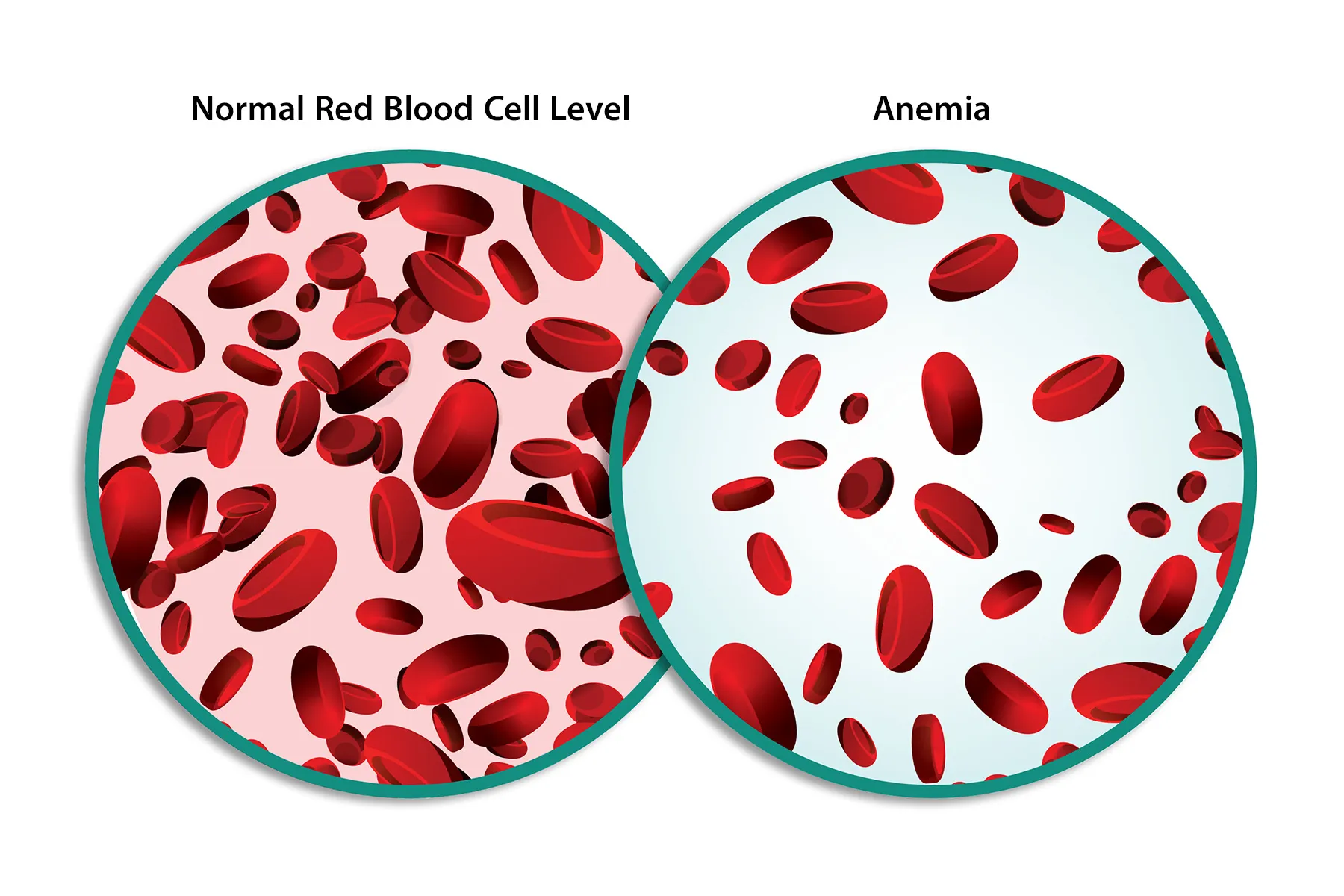
Long-Term Management of Iron Deficiency Anemia in Women of Reproductive Age: From Diagnosis to Sustained Iron Repletion
This presentation provides a practical, evidence-based approach to the long-term management of iron deficiency anemia (IDA) in women of reproductive age. It reviews the burden and causes of IDA, highlights the limitations of conventional oral iron therapy, discusses strategies to improve treatment adherence and iron repletion, and explores newer therapeutic options. Through interactive clinical cases, participants will gain practical insights into diagnosing, managing, and preventing recurrent IDA across diverse clinical scenarios, including heavy menstrual bleeding and pregnancy.
2026-07-01
Read More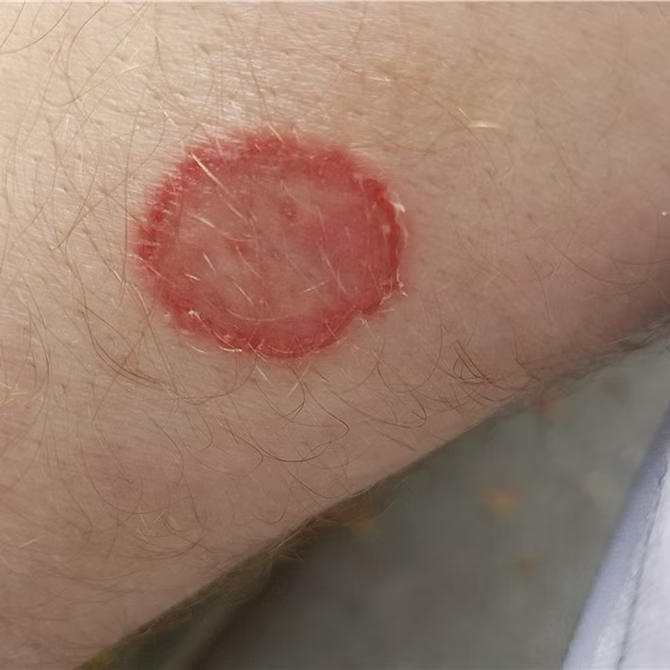
Dermatophytosis Unmasked: Decoding Diagnostic Challenges and Therapeutic Dilemmas
This interactive case-based presentation explores the evolving clinical spectrum of dermatophytosis through real-world scenarios. It focuses on recognizing atypical presentations, understanding factors responsible for altered morphology and treatment failure, including terbinafine resistance, appreciating the clinical significance of vellus hair involvement, and applying evidence-based diagnostic and management strategies to optimize patient outcomes.
2026-07-01
Read More.jpg)
Urinary Tract Infections: An Evidence-Based Approach to Diagnosis, Classification, and Management
This presentation provides a comprehensive, evidence-based overview of urinary tract infections (UTIs), encompassing their epidemiology, microbiology, clinical presentation, and classification. It highlights current diagnostic strategies, differentiates uncomplicated and complicated UTIs, and reviews the management of asymptomatic bacteriuria, recurrent UTIs, complicated infections, and urosepsis in accordance with contemporary clinical guidelines. The session emphasizes accurate diagnosis, appropriate antimicrobial stewardship, and individualized patient management to optimize clinical outcomes.
2026-07-01
Read More
Medical Ethics in Gynecology and Obstetrics Practic
Ethical practice in gynecology and obstetrics requires patient-centered care, respect for autonomy, informed decision-making, and adherence to professional standards. The following slide highlights the key principles of the FIGO Code of Ethics, guiding clinicians in delivering safe, equitable, and ethically responsible care.
2026-07-01
Read More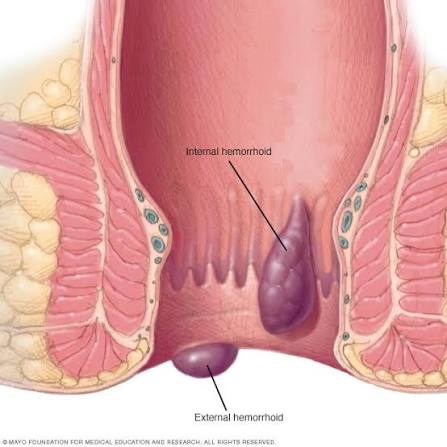
Effective management of hemorrhoids
The following slide outlines the key treatment strategies, including lifestyle modifications, medical therapy, office-based procedures, and surgical interventions to achieve symptom relief and prevent recurrence.
2026-07-01
Read More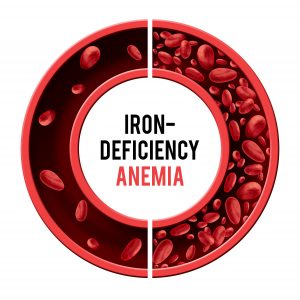
Iron deficiency anemia and the role of Ferric maltol
Effective management of iron deficiency anemia aims to restore iron stores, correct anemia, and improve patient outcomes while ensuring treatment tolerability. The following slide highlights the role of ferric maltol as an oral iron therapy, emphasizing its efficacy, safety profile, and place in the management of iron deficiency anemia.
2026-07-01
Read More
Principles of labor management
This slide outlines the key principles of labor management, including monitoring labor progress, optimizing maternal and fetal outcomes, and appropriate interventions when indicated.
2026-07-01
Read More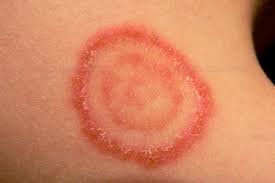
Management of dermatophytosis
Successful management of dermatophytosis depends on accurate diagnosis, appropriate antifungal therapy, and addressing factors that contribute to recurrence and transmission. The following slide highlights the key principles of treatment, including pharmacological management, preventive measures, and strategies to ensure complete clinical and mycological cure.
2026-07-01
Read More
Updated Management on Acne vulgaris
Management of acne requires an individualized approach based on disease severity, lesion type, risk of scarring, and patient-specific factors. The following slide outlines the key principles of acne management, including topical and systemic therapies, adjunctive skincare, and long-term strategies to achieve sustained disease control and prevent relapse.
2026-07-01
Read More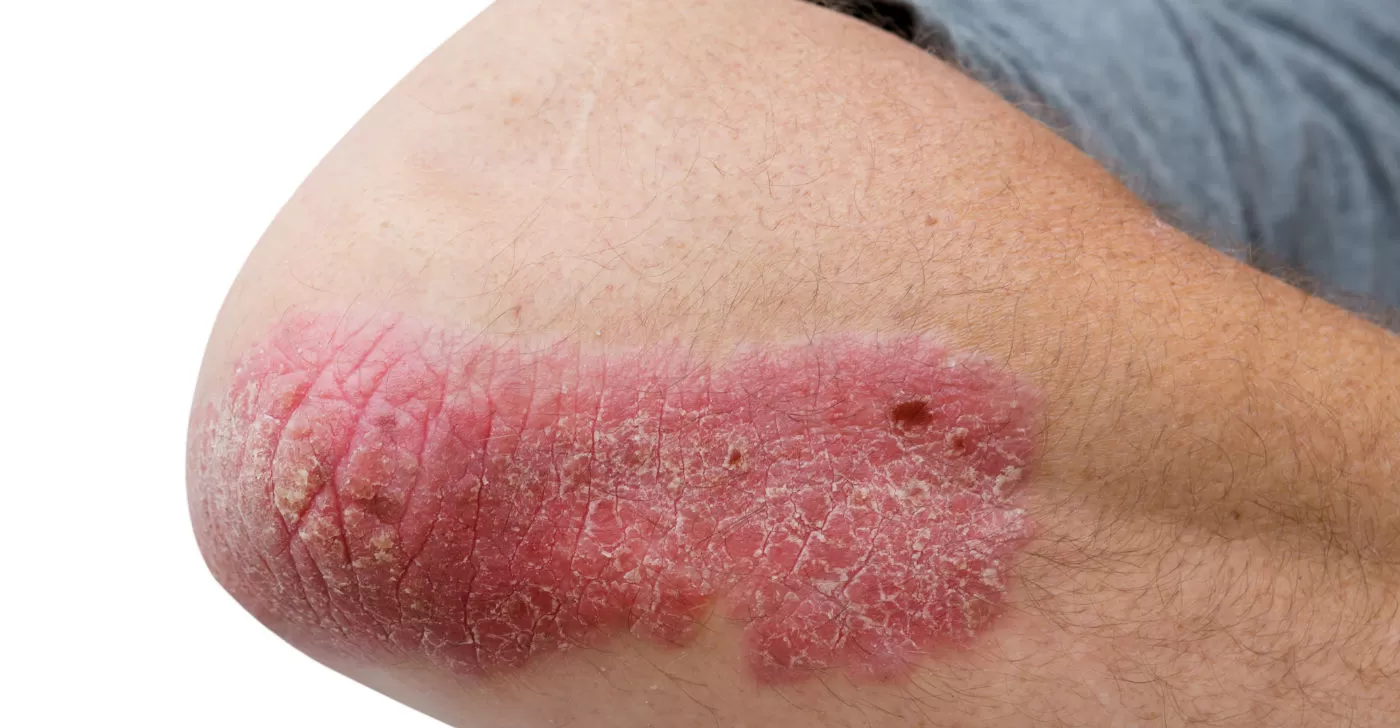
Management of psoriasis
The following slide outlines the key principles of psoriasis management, including topical therapies, systemic treatments, biologics, lifestyle modifications, and ongoing monitoring to optimize outcomes.
2026-07-01
Read More
The superiority of Estetrol over other estrogens
The following slide highlights the key features that distinguish estetrol from other estrogens and summarizes the evidence supporting its clinical advantages.
2026-07-01
Read More
Management of recurrent pregnancy loss
Management of recurrent pregnancy loss requires a systematic, evidence-based approach focused on identifying underlying causes and providing appropriate interventions. The following slide outlines the key components of evaluation and management, including targeted investigations, cause-specific treatment, supportive care, and strategies to improve the likelihood of a successful pregnancy.
2026-07-01
Read More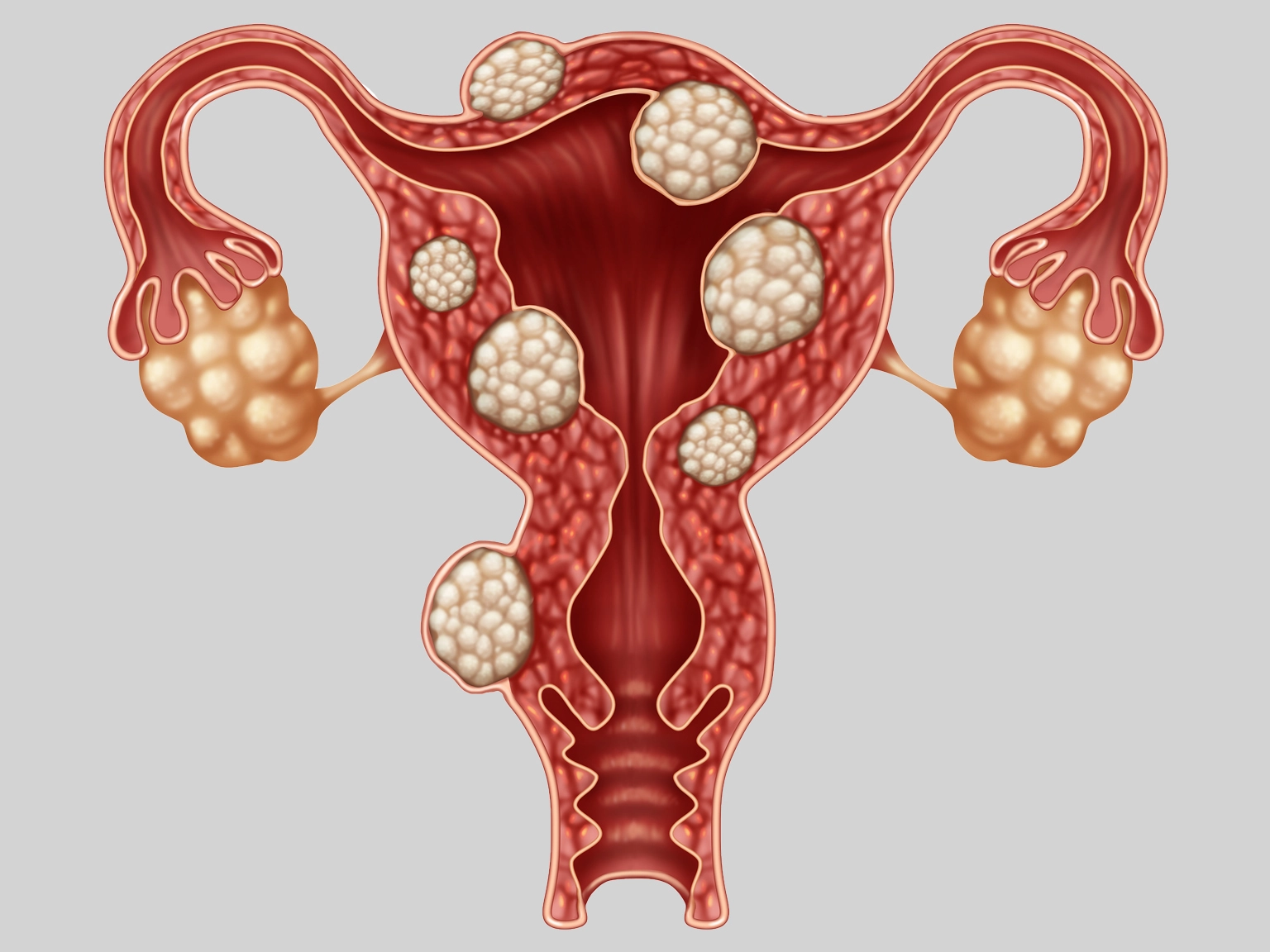
Medical Management of endometriosis
The following slide outlines the key components of comprehensive management, including medical therapy, surgical options, fertility considerations, and long-term follow-up of endometriosis
2026-07-01
Read More
Management of multidrug resitant bacterial infections
The following slide outlines the key principles of managing these infections, including rapid pathogen identification, targeted antimicrobial treatment, infection prevention and control measures, and strategies to improve clinical outcomes.
2025-12-01
Read More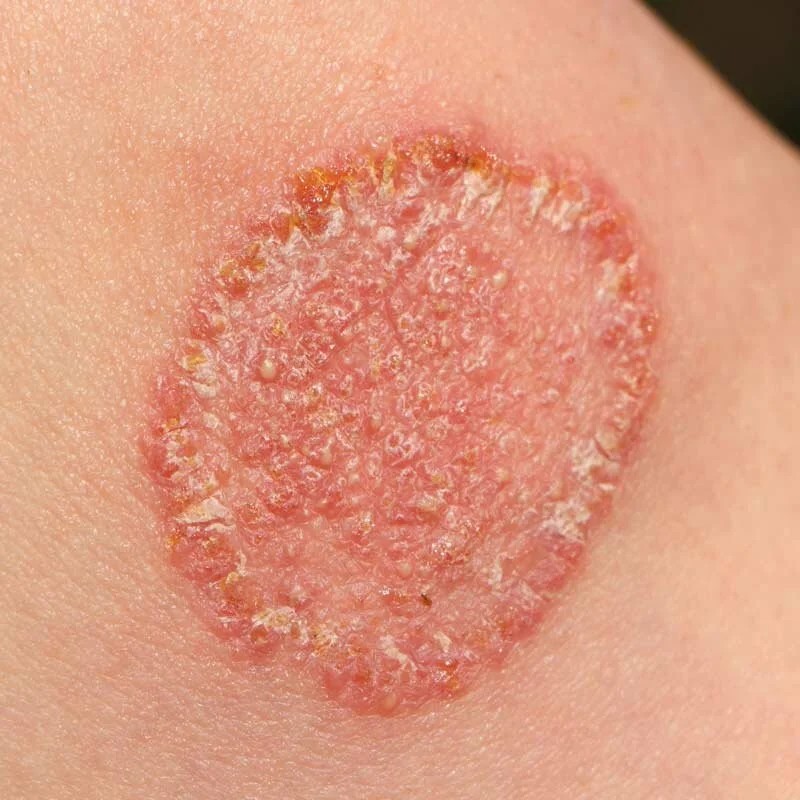
Factors contributing to rising fungal infections and burden of acne in daily life
This CME covered the rising burden of fungal infections, particularly dermatophytosis, and the factors contributing to its prevalence, including climate, poor drug use, and immune-compromised populations. It also addressed the management of acne vulgaris, focusing on the challenges in treatment
2025-12-01
Read More